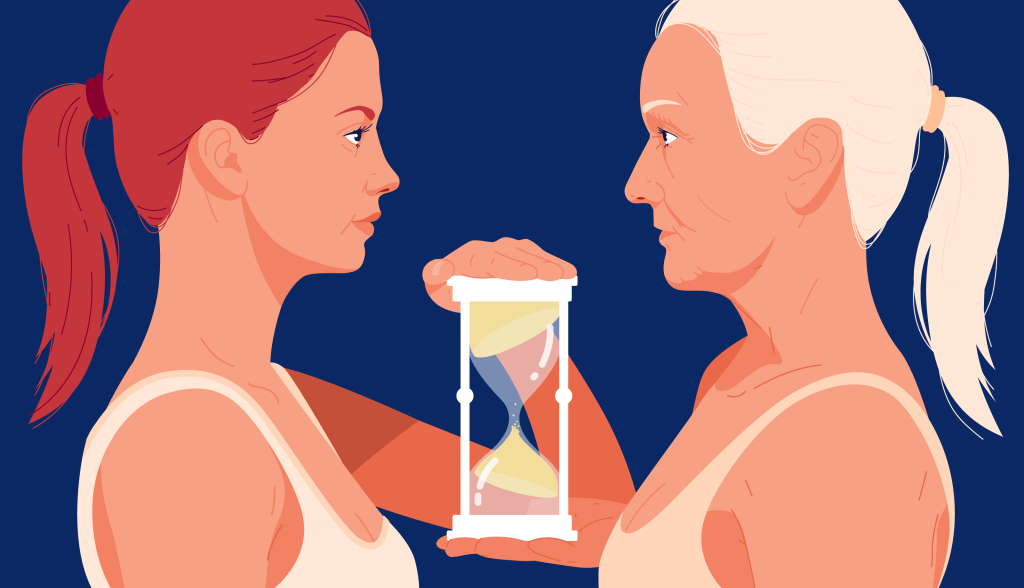
How Lifestyle and Habits Affect Biological Aging

WHAT IS BIOLOGICAL AGE? AND DOES IT MEAN ANYTHING TO YOUR HEALTH?

First, you have two types of age, chronological and biological, which we need to know the difference.

Chronological age, is the number of years you have been alive; the number of birthdays you’ve had.

Biological age, on the other hand, is your internal age, it can give a more complete understanding of a person’s aging process. It measures how well or poorly your body is functioning relative to your actual calendar age.

For example, you may have a chronological age, of 65, but because of a healthy and active lifestyle, your body is biologically more similar to someone with a chronological age of 55. Your biological age would, therefore, be 55.

So your biological age reveals how well your body is working and how well it should be working given your chronological age. 

This points to the idea of chronological age (how old we are) versus biological age (how old our bodies function).

CAN WE DECREASE AND REVERSE BIO-AGE?

Knowing your biological age is a big step in understanding the entirety of your health profile. But tracking your biological age is equally important. Because biological age can shift, by changing your lifestyle over time, which allow you to understand what is good and bad for your health.

Knowing where you stand and the habits that can affect your biological age can be a key component, to improve your overall health. Ideally, like your chronological age, your biological age will be a number worth celebrating.

When you compare people who have spent the same number of years on this earth, but who look and feel years apart then you’ve probably recognized that the aging process can occur at different rates for different people, and that rate can be greatly influenced by a combination of genetics and lifestyle factors, determining how fast or slow someone ages.

So, through modifications to our diet and lifestyle, we can actually turn back the clock on our biological age. You can control the speed of biological aging by speeding it up or slowing it down.

WHAT ARE THE FACTORS THAT AFFECT THE BIOLOGICAL AGE?

5 elements can affect our biological age (Nutrition, Fitness, Hydration, Sleep and Mental Health) Start by addressing some of the issues you can change right away, by reducing the inflammation and oxidative stress.

For example:

  • Create healthy dietary and eating habits
  • Add more fruits, vegetables, lean meats, focus on nutrient-dense foods
  • Consume antioxidants
  • Reduce overly processed foods and animal products
  • Pay attention to portion sizes
  • Practice meal prep: Plan your meals, make a list, and go to the grocery store. Then, to keep yourself on track, do whatever meal prep you can ahead of time.
  • Practice good sleep hygiene by turning off screens and relaxing an hour before you turn in at night. 6 to 8 hours. For reducing risk of dementia.
  • Get more exercise by walking or starting a fitness program.
  • Learn techniques for stress reduction and management, such as meditation or deep breathing. Have a positive mindset.
  • Avoid Alcohol and Tobacco consumption.
  • Reduce exposure to environmental factors.
  • Keep yourself hydrated.
  • Maintain a healthy microbiome.

CAN WE MEASURE OUR BIOLOGICAL AGE?

A new scientific and powerful DNA Age Test is available, enabling anyone to determine their biological age. It analyzes the impact that lifestyle, nutrition, illness, and genetics have had on your body. It determines how old your physical body is and the rate of the aging process. This is the ideal test to monitor how your lifestyle is impacting your longevity. Based on the results, for people who have higher biological age than their chronological age, this should be considered an indicator, a warning light, or an early sign of health deterioration. Therefore, we create unique personalized nutrition and lifestyle guidelines and program to help you reverse your biological age.

CONCLUSION

As the field of longevity and aging research advances, biological age has become by far the more important age to pay attention to, because as it turns out, our cells don’t regard our birthdays the same way we do. The good news? Your biological age is totally up to you! In fact, you can, for the most part, control your biological age through your daily habits.

Now is a great time to make changes that can make a positive difference. The goal is to focus on those habits that lower age expectancy and turn them into healthy habits that add to your life.

IMPROVE YOUR HEALTH DURING RAMADAN

INTRODUCTION

Ramadan is a great time to get to know your body in a new way and become more comfortable identifying different types of hunger, so that when you return to your regular eating pattern, you can practice mindful eating more frequently.

Healthy fasting is possible if you eat the right foods, the right amounts and in the right way.

During fasting, you must learn to avoid meals that increase hunger, thirst, and fatigue throughout the day.

Here are the Top 6 tips for healthy eating during Ramadan:

  1. Avoid skipping Suhoor (Pre-dawn meal)

Suhoor is a very important meal, it helps regulate blood sugar, provide satiety, and replenish energy.

Skipping Suhoor extends the fasting period because your body must rely on the previous meal for all nutrients and energy until iftar. Due to the longer hours of fasting you are more likely to feel dehydrated and tired during the day.

In addition, skipping this meal encourage overeating during iftar, which can lead to unhealthy weight gain.

  • Avoid overeating during Iftar (Breakfast)

Iftar should be a nutritious, well-balanced meal. Overeating, particularly the consumption of high-fat foods, can lead to weight gain and indigestion (Bloating, stomach pain, nausea etc.)

  • Avoid eating fried, salty and high-sugary foods

While these foods are satisfying in the short term, they can make fasting the next day more difficult. In addition to causing unhealthy weight gain, eating fatty and sugary foods causes sluggishness, fatigue, and increased thirst. Even if people replace their meals with desserts, they are still likely to gain weight because sweets cause a spike in blood sugar levels. This causes the insulin hormone to spike suddenly in the body, triggering fat storage.

For this reason, eating fiber-rich foods during Ramadan is ideal as they are digest slower than processed foods, allowing you to feel fuller for longer.

  • Stay hydrated

Drinking enough water reduce your risk of dehydration during fasting. It is recommended to avoid building your calories through drinks, such as juices, popular Ramadan drinks, and soft drinks. Ideally, you should also cut down on caffeinated drinks like coffee, tea, and colas as these have a diuretic effect and promotes fluid loss, causing dehydration.

  • Practice mindful eating

After fasting for an entire day, fast eating and overeating may result in indigestion and other gastric problems. This is why, you must not rush through your meal. Eating slowly, mindfully and listening for when your hunger is satisfied reduces stress on your body and provides more energy than eating large amounts at once.

  • Portion size is important

It takes 20 minutes for the stomach to send a message to the brain that it has enough food. By eating fast, the message will not be received well, which will lead you to overeating.

How to Break your fast the right way?

  • Start with 1 cup of water.
  • Eat Dates, it will give your body energy.
  • Have a bowl of soup rich in water, or low-fat yogurt it will help you hydrate.
  • Eat your greens vegetables which are rich in vitamins, minerals, and fiber and provide so many nutrients in so little calories.
  • Choose good carbs, these include brown rice, whole grain pasta or bread, potatoes, or burghul. Complex carbs provide a more stable and sustainable source of energy.
  • Incorporate lean protein

Should people exercise during Ramadan? If yes, is it better before or after breaking their fast?

Even though fasting can be physically exhausting, try not to be completely sedentary. Exercising during Ramadan is essential, especially if you have a regular training routine. Stopping your workouts while fasting will result in muscle loss.

It is recommended to exercise at a low to moderate intensity 1 to 2 hours before iftar. Exercise for 30-45 minutes per day by brisk walking, jogging, or swimming, and remember to stretch your muscles several times throughout the day. This way, you can maintain your energy levels throughout the day.

Running or weightlifting are examples of strenuous exercise that can quickly lead to dehydration and fatigue.

CONCLUSION:

As the Holy Month is often regarded as a time to practice self-control, self-discipline, sacrifice, and empathy for those in need. It is encouraged to continue with these practices even when not fasting. You can stay healthy during and after Ramadan if you follow these simple guidelines.

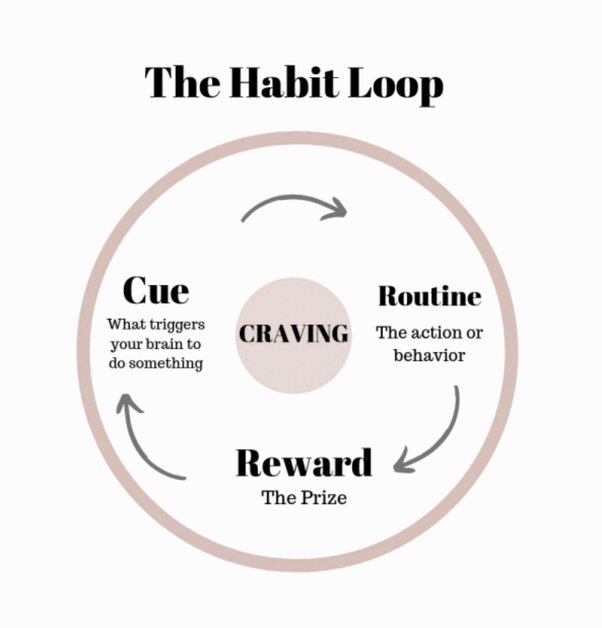
The Habit Loop: WHAT IT IS AND HOW TO BREAK IT?

Understanding how your habits function is the first step towards changing them. Most of us are oblivious regarding the majority of our habits because habits are by meaning mindless. They start by a trigger and end with some sort of reward.

I’ll walk you through the basic idea of how habits are formed, which is known as the habit loop.

The process of creating a habit can be divided into four steps: cue, craving, response, and reward.

Every habit is built on this four-step pattern, which your brain repeats in the same order each time.

The first step is Cue: that initiates the habitual behavior. It is also known as the reminder.

They are typically classified as one of the following:

  • Location
  • Time
  • Current emotional state
  • People around you
  • Your last action

Your mind is constantly analyzing your internal and external environment for indications as to where the rewards are.

The second step is Cravings: they are the driving force behind every habit.

Therefore, Without craving a change, without some level of motivation or desire there are no reason to take action.

Cravings vary from one individual to another.  Any little piece of information could cause a craving, however in practice, not everyone is motivated by the same cues. Cues have no meaning unless they are interpreted. The observer’s feelings, thought and emotions are what turn a cue into a craving.

The third step is Response: Which is the actual habit that you perform, it can be a thought or an action.

The fourth step is Rewards: Which close the feedback loop and complete the habit cycle.

A behavior will not become a habit if it falls short in any of the four stages. If you remove the cue, your habit will never start. If you reduce the craving, you will not have enough motivation to act. You won’t be able to perform the behavior if you make it difficult.

And if the reward does not satisfy your desire, you will have no reason to do it again.

A feedback loop best describes the four stages of habit. They form an endless cycle that runs at every moment, even now. This “habit loop” is constantly scanning the environment, forecasting what will happen next, experimenting with various responses, and learning from the outcomes. The entire process is completed in a fraction of a second, and we repeat it without realizing.

Growing up, we rarely pay attention to the habits that are part of our lives. For example, most of us don’t think twice about changing into comfortable clothes when we get home from work. We automatically fall into these patterns of thinking and acting as a result of decades of mental programming.

However, once your brain begins to connect that particular behavior with a reward, you will build a craving for it, even if you are unaware of it.

First, an incident happens in your life, either positive or negative. For instance, how does it feel to eat a good piece of ice cream? Your brain feels good, satisfied, and wanting more, so you keep that good feeling going so your brain remembers, and the next time you want to feel better and good, you eat some ice cream.

So now you start to associate ice cream with feeling good. And this is when craving starts.

The next time you see ice cream you start to crave it, even if you are not that hungry. The more you do it, the more you will be creating this habit loop.

When you are stressed, sad, or angry, you develop cravings for ice cream or whatever your comfort food is. The tricky thing is that the more you do it, the more it becomes a habit.

Over time you’re not even consciously choosing these actions anymore, it’s like you are an automatic pilot, you’re not even flying the plane.

That means, the more regularly you do something, the more likely you’ll stick with that behavior over time.

We can turn these four steps into a practical framework for creating good habits and eliminating bad ones.

How to create a Good habit?

  1. Make the cute obvious
  2. Make the craving attractive
  3. Make the response easy
  4. Make the reward satisfying

How to break a Bad Habit?

  1. Make the cute invisible
  2. Make the craving unattractive
  3. Make the response difficult
  4. Make the reward unsatisfying

Though the process has multiple steps:

  1. Identify the routine
  2. Try different rewards
  3. Explore your triggers
  4. Find a way around those cues

Take note of any possible cues whenever you find yourself repeating your routine. Making a list of potential triggers can help you notice them more clearly and recognize any patterns.

Try this for a few days, then review your notes to see if anything stands out.

The important point to remember is that, while habits establish quickly, they are not broken overnight. Making a commitment to your new routine for a month will help it stick.

Finally, take into consideration your motivation. If you don’t want to change, it will be difficult to break the cycle.

By interrupting your habit loop you are developing productive routines that still provide rewards.

If you want to change habits, you must first weaken the craving. You can do so by instilling a desire to quit or by providing the evidence that it is highly harmful to your health.

If you’ve ever wondered, “Why don’t I do what I say I’m going to do?” Why don’t I lose weight, quit smoking, start a side business, or save for retirement? “How come I always say something is important but never seem to make time for it?” The answers to those questions can be found in one of the four laws. Understanding these fundamental laws and how to modify them to your specifications is the key to developing good habits and breaking bad ones.

Being open and aware is the first step in learning and understanding the habit loop. Start to observe, even track, one current habit over a period of time.

After identifying bad habits, the next step is to replace them with more beneficial ones.

Identifying the cue and substituting a more positive reward and outcome.

Before moving forward, I recommend going backwards and identifying the reward behind your habit. On your way to the refrigerator, what need are you trying to fill or numb? Do you require an energy boost? Are you attempting to avoid something that is bothering you?

When you understand what need this habit is attempting to meet, you can replace it with a different behavior that will assist you in achieving and maintaining your health goals without jeopardizing them.

Change is not easy, simply because you’re used to do the same thing you’ve always done, and it can be challenging to cease doing them.

“IF YOU WANT TO MASTER A HABIT, THE KEY IS TO START WITH REPETITION NOT PERFECTION”

FEED YOUR SKIN FROM THE INSIDE OUT

NUTRITION AND SKIN HEALTH: EAT YOUR WAY TO FABULOUS SKIN

WE ALL KNOW THE BENEFITS OF EATING A HEALTHY DIET. BUT HOW DOES OUR DIET AFFECT OUR SKIN HEALTH?

Skin ages naturally due to intrinsic factors, like genetics, age. Alongside this, our skin changes due to extrinsic factors, that can cause premature ageing of skin. UV exposure, pollution levels, medication, hormones, stress, skin routine, sleep routine, smoking habits, our diet and more.

Skin cells renew themselves every 28 days, which is why it is so important to always eat well.

We know that the skin is nourished from the inside, and an incorrect diet is reflected on the external appearance. This result is visible both on the skin, as well as on the hair and nails, and in general, on our entire body.

Healthy skin does not only make you look great, it is an indicator of your overall health. Your skin, like all the other organs in your body, processes the nutrients from the food you eat, and uses it to fortify and renew itself. The natural ingredients in your food can speed the pace of exfoliation, cell renewal, and protect skin from the UV damage that causes brown spots and wrinkles. So a healthy diet, tailored to your specific needs, can have a substantial impact on your skin, hair and overall appearance

Proper nutrition helps our skin age better. Eating the right foods can improve skin elasticity, facial wrinkling, roughness and color, all of which lead to a better skin appearance. 

IS THERE A LINK BETWEEN GUT HEALTH AND SKIN?

The food we eat nourishes our bodies from within. We’re all familiar with how our diet impacts the health of internal organs. But what about the body’s biggest organ? Here’s what the physical condition of our skin says about our diet.

The interconnectivity of all systems, internal and external. For example, It is believed that redness on the face shows one of your internal organs is suffering. This approach was the first based on treating skin issues internally, trying to combat the cause rather than just the symptoms.

We need to take a look at the relationship between diet and healthy skin. Many skin conditions are the result of poor nutritional habits and inflammatory foods, while our diet can even help prevent signs of premature ageing.


To improve skin condition through your diet, it’s essential to know which foods to avoid for healthy skin.

Common skin conditions like acne, eczema and psoriasis were often linked to internal inflammation and diet. To reduce acne and dry skin, it is recommended that inflammatory foods are avoided, including:

  • Sugar, added sugars, syrups and fructose
  • Refined carbohydrates
  • Processed meats
  • Trans fats, which are made via hydrogenation, an industrial process that aims to prolong the shelf life of foods.
  • Food intolerances, such as gluten or lactose intolerance, can have an inflammatory effect that shows on our skin. It often results in red patches and a rash. So it is recommended to do a food intolerance test.

Following a naturally healthy anti-inflammatory diet may reduce the chances of internal issues from developing from the source, as your skin is nourished from the inside out.

WE’VE TALKED ABOUT FOOD THAT WORKS AGAINST OUR SKIN, BUT WHAT CAN I EAT TO IMPROVE OUR SKIN?

Nourishing your body with the right nutrients is a proven way to maintain a glowing, more youthful complexion. Here are a few key nutrients to ensure you’re always including in your diet: 

“A nourished body is the result of a healthy state of the skin”

  • Vitamin C: Is a powerful antioxidant, reduce wrinkles and fights skin ageing, provides protection from environmental stress and firms skin by undoing sun damage to elastin and collagen. Vitamin C: Found in oranges, strawberries, kiwis, bell peppers, tomatoes, broccoli and potatoes. This vitamin is involved in creating collagen which provides structure to the skin. It is also an antioxidant and is involved in wound healing.  
  • Vitamin A: Promote new skin cell production, keeping skin firm and healthy, hydrating your skin. Yellow & Orange Fruit and Vegetables: Yellow fruit and vegetables are also full of retinol, a Vitamin A1 that can reverse acne and wrinkle formation. Vitamin A: Present in the form of retinol in liver, dairy products, eggs, salmon and in the form of beta-carotene in green leafy vegetables, carrots, pumpkin, bell peppers, sweet potato, apricot and mango.
  • Vitamin E: Is an antioxidant, protects skin from inflammation and sun damage. It keeps your skin soft, it has an antiaging power. Vitamin E: Found in a variety of nuts and seeds, leafy green vegetables, avocado, sunflower oil, safflower oil and in certain fortified foods.
  • Omega-3s and Omega-6s: Makes skin smoother (moisturizing) and protects its natural barrier to lock in moisture, adding a natural glow to your skin. Omega 3 fatty acids help fight auto immune and inflammatory issues like psoriasis and lupus, even fighting pigmentation. Found in oily fish (like salmon, oysters, sardine, mackerel, herring, trout, sardines and pilchards), walnuts, peanuts, chia seeds.
  • CoQ10: Supports healthy cell function, and when applied topically, can diminish signs of aging.
  • Selenium: Protects skin from free radicals, which cause signs of aging like dry skin, wrinkles, and tissue damage. Found in meat, poultry, seafood, eggs, dairy products, tomatoes, Brazil nuts, seeds and wholegrains. Selenium protects the skin by acting as an antioxidant.  Selenium is a powerful antioxidant to fight sun damage, dark spots and ageing.
  • Antioxidants: Natural antioxidants like berries and mushrooms slows and prevents skin damage caused by free radicals the harmful toxins found in skin.
  • Lutein: found in vegetables such as kale and spinach can fight free radicals while protecting against UV rays. Chlorophyll, the green pigment in these foods, also has powerful anti inflammatory properties.
  • Dairy Free, Gluten Free and Refined Sugar Free Foods. Avoid common food allergies such as lactose and gluten in your diet. Cutting out foods we’re allergic to will reduce inflammatory symptoms showing in our skin.
  • Zinc: Found in red meat, oysters, crab, lobster, poultry, dairy products, beans, nuts, wholegrains and fortified breakfast cereals. Zinc plays an important role in wound healing and reducing UV damage.
  • Collagen: Collagen is a protein and is one of the main building blocks of our skin. It makes up almost 75% of the skin. Unfortunately, collagen degrades as we age. Sometimes, lifestyle factors like smoking and increased stress can further speed up collagen breakdown. They keep the skin firm and prevent sagging. Plant-based protein: chickpeas, quinoa, the combination of cereals with legumes or nuts. Animal protein: eggs, chicken, fish and dairy products.
  • Copper: essential for skin defense, cell regeneration and maintaining barrier function. Lentils, Nuts, Oilseeds, Avocados are some excellent sources of copper. 

CONCLUSION:

While there are many external things we can do to boost our skin health (a great skincare routine, good sleep, hydration, exercise, skincare treatments, etc. are all important), there’s no doubt that truly healthy skin starts from the inside out.

Healthy skin is about so much more than just the products you put on it. As the age-old saying goes, beauty comes from within. 

Decoding the Path to Timeless Health: Sirtuins, NMN, NAD, and the Blueprint for a Healthier Aging Journey

Introduction:

In the quest for eternal youth and optimal health, scientists have been unraveling the mysteries of aging at a molecular level. Among the key players in this fascinating exploration are sirtuins, nicotinamide mononucleotide (NMN), and nicotinamide adenine dinucleotide (NAD). Understanding the roles these components play in our bodies and discovering how to boost them through supplements or IV therapy may hold the key to not only looking younger but also living a longer and healthier life.

Sirtuins: Guardians of Cellular Health

Sirtuins, often hailed as the conductors orchestrating the symphony of cellular activities, have a remarkable ability to clean up DNA, reduce inflammation—the basis of most diseases—and regulate gene expression. They act as molecular switches, carefully turning genes on and off to maintain cellular balance. However, for sirtuins to perform their cellular maintenance duties effectively, they require a critical fuel known as nicotinamide adenine dinucleotide (NAD+).

NAD: The Energy Currency of Cells

NAD+, often referred to as the essential life fuel, is a coenzyme vital for the energy metabolism within our cells. It serves as the foundation for sirtuins to carry out their functions. Without NAD+, the body would cease to function within 30 seconds. Unfortunately, NAD+ levels decline with age and are further exacerbated by factors such as obesity. By the age of 50, NAD+ levels drop by more than 50%, compromising the body’s ability to combat the aging process.

NMN: A Precursor to NAD+

Enter nicotinamide mononucleotide (NMN), a precursor to NAD+ that acts as a bridge, facilitating the entry of NAD+ into cells. The decline of NAD+ with age can be counteracted by supplementing with NMN. By taking NMN supplements or undergoing NAD IV Therapy, individuals can effectively boost their NAD+ levels, restoring them to more youthful quantities, akin to being 20 years old.

Supplements and IV Therapy: Tools for Ageless Living

The pursuit of a longer, healthier life has given rise to a variety of supplements designed to increase NAD and support sirtuin activation. NMN supplements, in particular, have gained popularity for their potential to raise NAD levels and enhance cellular function. Additionally, NAD+ IV therapy is being explored as a more direct and efficient way to deliver these molecules into the bloodstream, bypassing the digestive system and ensuring higher absorption.

The Synchrony of Aging Reversal: Sirtuins, NMN, and NAD+

Upon introducing NMN through supplements or NAD+ IV Therapy, the heightened levels of NAD+ act as the trigger to activate sirtuins. This synergistic partnership, working seamlessly together, effectively decelerates the aging process at the cellular level. The outcome? You experience not just increased vitality but also observe the visible effects of a more youthful appearance.

Conclusion:
As we continue to unravel the intricacies of aging, the roles of Sirtuins, NMN, and NAD stand out as key players in the quest for a healthier and longer life. Whether through supplements or innovative IV therapies, the potential to enhance these components offers a promising avenue for those seeking to unveil the secrets of age-defying wellness. As research advances, we may find ourselves at the threshold of a new era where aging becomes a process we can influence, allowing us to age with grace and vitality.

Breath Mastery: Unveiling Ancient Wisdom for Holistic Wellness and Longevity

Introduction

In the symphony of our existence, the often-overlooked conductor is the breath; a silent force that holds the key to profound benefits for our physical and mental well-being. In this blog, we delve into breathwork, seamlessly blending ancient wisdom with modern techniques to discover transformative effects on the body, mind, and spirit.

Ancient Roots of Breathwork: Rediscovering Pranayama and Qi Gong

Breathwork’s roots stretch across millennia, embedded in the practices of ancient civilizations. India’s Pranayama and China’s Qi Gong stand testament to the understanding that conscious breathing is not just air intake; it’s a conduit to a deeper connection with life.

Effect on the Body: Engaging the Symphony Within

Conscious breathing techniques awaken the diaphragm, orchestrating a symphony within the body. Diaphragmatic breathing, where each inhale fills the lungs and expands the diaphragm, initiates relaxation and stress reduction. As we exhale intentionally, improved posture, enhanced lung capacity, and efficient detoxification follow suit.

Breathing Techniques: Guiding the Breath for Transformation

  1. Diaphragmatic Breathing (4-6-8): Sit or lie down comfortably. Inhale deeply through your nose for a count of 4, allowing your diaphragm to expand. Hold for a count of 6, and exhale slowly through your mouth for a count of 8. Repeat. This technique strengthens the diaphragm, reduces stress, and induces deep relaxation.
  2. Box Breathing (4×4): Inhale for a count of 4, hold for 4, exhale for 4, and then pause for another 4. This rhythmic pattern calms the nervous system, enhances focus, and balances energy.
  3. Alternate Nostril Breathing (Nadi Shodhana): Close one nostril with your thumb, inhale through the other for a count of 4, close it with your ring finger, release the first nostril, and exhale for a count of 4. Repeat on the other side. This technique balances energy, improves respiratory function, and brings mental clarity.

Ancient Techniques in the Modern World: Breathing for Every Moment

The wisdom of ancient breathwork is not confined to the past; it resonates vibrantly in our modern world. What’s remarkable is that we don’t need to be experts to harness its benefits. These techniques are adaptable, fitting seamlessly into our busy lives. Whether in a boardroom, during a commute, or in the quietude of our homes, we can practice conscious breathing anywhere, anytime. The breath, once a secret of sages, has become a tool for everyone seeking balance and well-being.

Health Benefits: The Key to Overall Well-Being and Longevity

  • Improved Oxygenation: Enhances physical vitality and cognitive function by optimizing oxygen delivery to cells and tissues.
  • Stress Reduction: Promotes cardiovascular health and boosts immune system resilience. Breathwork is a maestro in reducing chronic stress, mitigating the harmful impact of stress hormones on the body.
  • Serenity Slumber: Contributes to better sleep quality, an essential element in overall health and longevity. Calming the nervous system through intentional breathwork has a direct impact on reducing anxiety.
  • Mental Clarity: Sharpens focus, enhances cognitive performance, and fosters emotional resilience. Regular breathwork has been linked to a reduction in symptoms of depression by promoting a positive mindset and emotional well-being.
  • Vitality Enhancement: Increases energy levels, promoting a sense of vibrancy and overall well-being.
  • Longevity: Regular practice supports healthy aging and a robust immune system.

The Ripple Effect: Elevating Everyday Moments with Breath

As we dive into the world of conscious breathing, the benefits extend beyond physical and mental health. The conscious breath becomes a ripple in the pond of our lives, influencing our reactions, relationships, and responses to the challenges we encounter. Through breath, we cultivate a reservoir of calmness that not only sustains us during meditation but also amplifies our capacity to navigate the unpredictable currents of daily existence. The ripple effect of breathwork is a simple yet powerful reminder that conscious breathing can bring a sense of calmness to every moment, making each day more manageable and enjoyable, with a sense of clarity, balance, and well-being.

Conclusion: Embrace the Breath, Embrace Life

In the cadence of our breath, we find a rhythm that transcends time and connects us to the essence of life. Inhale deeply, embracing the ancient wisdom of breath. Through intentional breathwork, embark on a journey of self-discovery, unlocking the doors to holistic wellness, vitality, and longevity. The breath, a timeless guide, awaits to lead you towards a healthier, more vibrant life.

The Vital Connection Between Nutrition and Sleep: Quality and Quantity Matter

Introduction:

In our modern lives, we often prioritize exercise and nutrition as the pillars of a healthy lifestyle, but we tend to overlook one crucial element: sleep. Sleep is not just a period of rest; it is a fundamental biological need that is just as important as nourishing our bodies with the right food. The quality and quantity of our sleep play a vital role in our overall well-being, impacting our physical health, cognitive function, emotional well-being, and longevity. 

This blog delves deeper into the different types of sleep, explores the impact of nutrition and diet on sleep, and discusses how sleep can affect weight management, aging, and more.

Understanding the Types of Sleep:

Sleep can be broadly categorized into two types: REM (Rapid Eye Movement) and NREM (Non-Rapid Eye Movement) sleep. NREM sleep consists of four stages, with stage 3 being the deepest, most restorative sleep. REM sleep, characterized by rapid eye movements and vivid dreaming, plays a crucial role in cognitive function and memory consolidation.

The Importance of Quality Sleep:

Quality sleep is essential for various aspects of our health and well-being. It supports optimal brain function, mood regulation, immune system function, and hormone balance. During deep sleep, the body repairs and rejuvenates tissues, strengthens the immune system, and restores energy levels.Adequate sleep is linked to better cognitive performance, improved memory, enhanced creativity, and overall mental well-being.

Nutrition’s Role in Sleep:

Nutrition and diet significantly impact the quality of our sleep. Certain foods and beverages can disrupt sleep patterns, while others can enhance them. 

Here are some dietary considerations for improving sleep:

1. Limit Stimulants: Caffeine, nicotine, and alcohol can interfere with sleep quality. Avoid consuming these substances close to bedtime.

2. Promote Serotonin Production: Serotonin, a neurotransmitter involved in regulating sleep, can be boosted by consuming foods rich in tryptophan. Sources include turkey, dairy products, nuts, seeds, and bananas.Tryptophan is converted into serotonin, which is then converted into melatonin, the hormone that regulates sleep-wake cycles.

3. Magnesium and Calcium-Rich Foods: These minerals promote muscle relaxation and can contribute to better sleep. Leafy greens, legumes, nuts, and dairy products are good sources.

4. Regulate Blood Sugar Levels: Consuming a balanced diet that includes complex carbohydrates, lean proteins, and healthy fats can help maintain stable blood sugar levels throughout the night, preventing disruptions in sleep caused by drops or spikes in blood sugar levels.

Sleep and Weight Management:

The relationship between sleep and weight is complex. Lack of sleep can disrupt hormones involved in appetite regulation, leading to increased cravings and overeating. Sleep deprivation also impairs glucose metabolism, making it more challenging to maintain a healthy weight. 

Additionally, inadequate sleep affects the balance between the hormones ghrelin (which stimulates hunger) and leptin (which suppresses appetite). This hormonal imbalance can contribute to weight gain and obesity. Prioritizing quality sleep can indirectly support weight management efforts by promoting hormonal balance, reducing cravings, and improving overall self-regulation.

Sleep and Aging:

During sleep, our bodies undergo various restorative processes, including cellular repair and rejuvenation.

As we age, the quality and quantity of our sleep naturally change. Older adults may experience more fragmented sleep and decreased deep sleep. This can impact cognitive function, mood, and overall health. Which also plays a role in our biological aging process. 

Sleep deprivation is associated with increased oxidative stress, inflammation, impaired cognition, reduced metabolism, and a higher risk of age-related diseases. Prioritizing healthy sleep habits and obtaining sufficient, high-quality sleep are essential for promoting healthy aging and mitigating the negative effects of biological aging.

In addition, a balanced diet, rich in nutrients like antioxidants, vitamins, minerals, and omega-3 fatty acids, can support healthy brain function and potentially improve sleep quality in older adults. Including foods such as fatty fish, walnuts, berries, dark leafy greens, and turmeric in the diet can provide essential nutrients and antioxidants that promote brain health and support better sleep.

Tips for Improving Sleep:

In addition to focusing on nutrition, there are several other strategies you can implement to improve the quality and quantity of your sleep:

1. Establish a consistent sleep schedule: Try to go to bed and wake up at the same time every day, even on weekends. This helps regulate your body’s internal clock and promotes better sleep.

2. Create a sleep-friendly environment: Make your bedroom a calm and comfortable space. Ensure the room is cool, dark, and quiet, and invest in a comfortable mattress, pillows, and bedding.

3. Limit exposure to electronic devices before bedtime: The blue light emitted by electronic devices can interfere with the production of melatonin, making it harder to fall asleep. Avoid using screens at least an hour before bedtime or consider using blue light-blocking glasses.

4. Practice relaxation techniques: Engage in relaxation activities before bed to help your body and mind wind down. This can include practices such as meditation, deep breathing exercises, gentle stretching, or taking a warm bath.

5. Engage in regular exercise: Regular physical activity can contribute to better sleep. However, avoid intense workouts close to bedtime, as the increased adrenaline and heart rate can make it difficult to relax and fall asleep.

Conclusion:

In the pursuit of a healthy lifestyle, we must recognize the vital connection between nutrition and sleep. Prioritizing both the quality and quantity of our sleep is essential for overall well-being, cognitive function, and maintaining a healthy weight. By adopting a balanced diet, avoiding sleep-disruptive substances, and implementing good sleep practices, we can unlock the benefits of restorative sleep and improve our overall quality of life.

Andrea Hayeck

Clinical Dietitian & Holistic Health Coach

Design a site like this with WordPress.com
Get started