Introduction
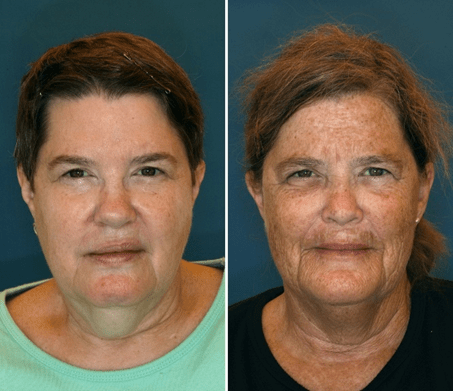
You most likely imagine two individuals who are so alike when you think about identical twins. They frequently resemble one another, share nearly identical DNA, and are remarkably expert at finishing each other’s sentences. However, what if I told you that these identical twins might develop entirely distinct physical characteristics, health issues, and biological ages as they grow up? The science behind this phenomena is a fascinating mixture of lifestyle, genetics, and epigenetics that provides a profound understanding of the factors influencing longevity.
This blog explores the captivating world of epigenetics, the science of how environmental and lifestyle choices affect the expression of your genes. We’ll also look at how these modifications can alter your biological age, and even the way you look and feel as you grow older.
Genetic vs. Epigenetic
The expression “You can’t change your genes” is certainly familiar to you, but what if I told you that it’s not totally accurate? Even while your genetic code remains unaltered throughout the course of your life, epigenetics; the study of how your environmental factors and behavior can influence gene function, provides us with a completely different image.
Let’s go back to those identical twins to demonstrate this. When a single fertilized egg divides into two, identical twins are born with the same genetic code. Consider their DNA to be the architectural plans for a building. But as life progresses, lifestyle and environmental circumstances serve as the decorators, painters, and builders. This is where epigenetics comes into play.
Rather than altering the underlying DNA sequence, epigenetics influences how genes are expressed. For instance, one twin may “switch on” genes associated with chronic diseases or inflammation due to smoking, poor diet and a sedentary lifestyle. Meanwhile the other twin may “switch off” those same genes by emphasizing stress reduction, exercise, and a healthy diet, leading to improved health and a slower aging process.
The Biological Age Gap
Biological age determines how old your body is based on indicators like organ function, inflammation levels, and cellular health, whereas chronological age is just the number of candles on your birthday cake. According to studies, even if identical twins are the same age chronologically, their biological ages might range by up to ten years.
What causes this to occur? The main offenders are lifestyle choices. Cellular aging can be accelerated by smoking, binge drinking, chronic stress, and poor quality of sleep. Conversely, a nutrient-dense diet, frequent exercise, and healthy social relationships can all help maintain youth and vitality. The scales can be tipped by even little variations, such as the amount of time spent in the sun or the exposure to pollutants.
The Role of the Microbiome
The gut is another significant element. Identical twins frequently have identical microbiomes at birth, but with time, dietary, pharmacological, and lifestyle changes can significantly change the makeup of their gut microbiota. A strong immune system, reduced inflammation, and improved mental health are all linked to a healthy, diverse microbiome, which plays a key role in promoting longevity.
The Face as a Mirror of Lifestyle
Even identical twins’ external looks might change over time. In addition to genetics, other variables like stress, smoking, and UV exposure can also affect wrinkles, skin elasticity, and even hair loss. According to twin studies, the twin who leads a healthy lifestyle frequently appears younger and more energetic than the other twin.
Longevity Lessons from Identical Twins
- Prioritize Nutrition: A diet rich in antioxidants, healthy fats, and lean proteins can combat oxidative stress and promote cellular repair.
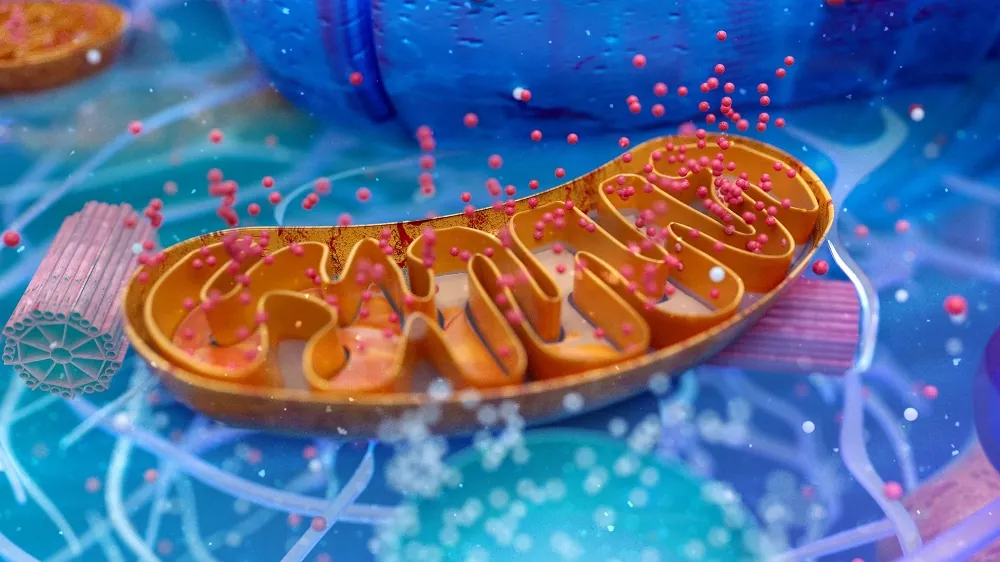
- Exercise Regularly: Physical activity boosts mitochondrial health, a key factor in slowing biological aging.
- Manage Stress: Chronic stress accelerates aging by shortening telomeres, the protective caps on the ends of your DNA. Mindfulness, meditation, and social connections can help.
- Protect Your Skin: Sunscreen and a good skincare routine aren’t just vanity, they’re science-backed ways to slow aging.
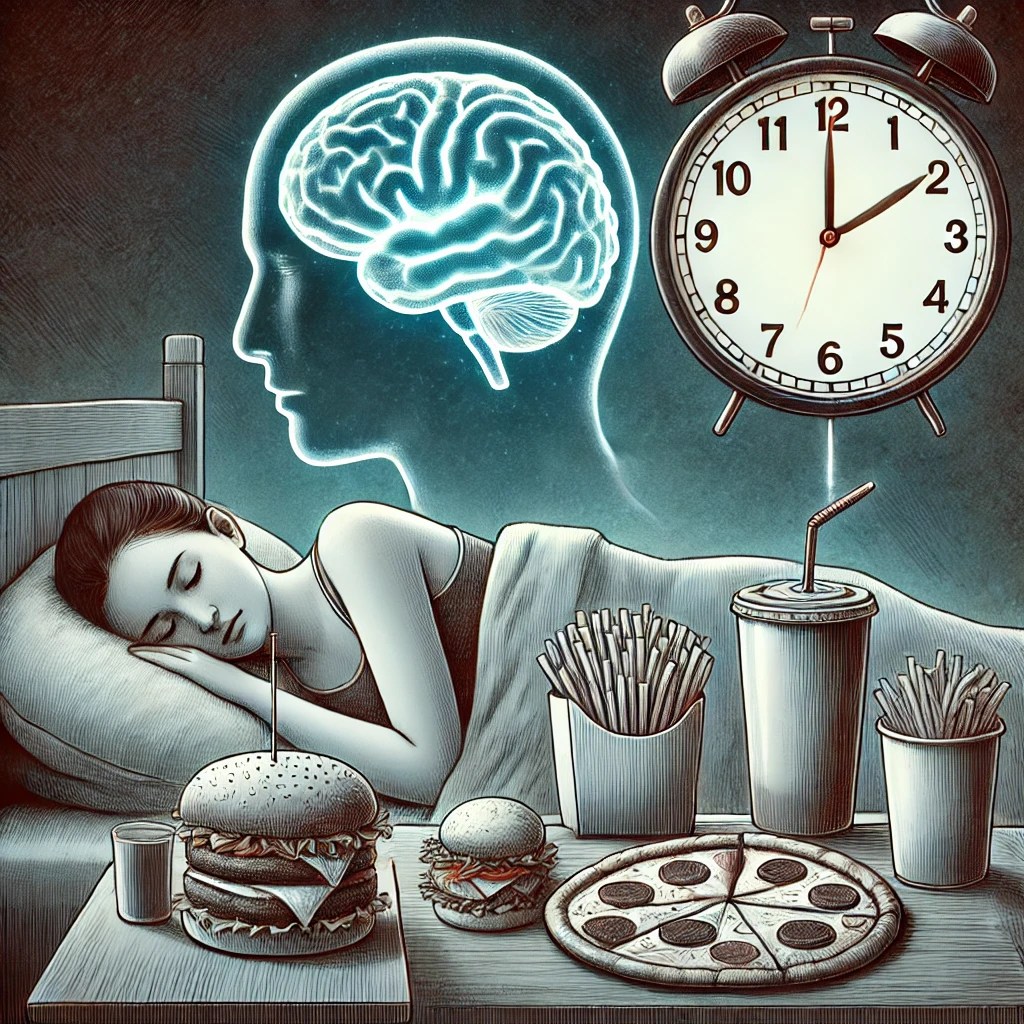
- Sleep Smart: Quality sleep is essential for hormonal balance, immune function, and cellular repair.
- Support Your Microbiome: Probiotics, prebiotics, and a fiber-rich diet can keep your gut and your health in check.
Conclusion
As a living example of the amazing influence of environment and lifestyle, identical twins serve as a reminder of our considerable control over the aging process.
Your health and lifespan may be predetermined by your genes, but how well you perform is ultimately up to you.
Longevity isn’t just about adding years to your life, it’s about adding life to your years. You too may age gracefully, vibrantly, and resiliently by adopting healthier habits and making conscious decisions.
Knowing that identical twins can age differently even if they have the same DNA gives us the ability to control our own biological age. The lesson is obvious whether or not you have a twin: take care of your body, mind, and soul; your future self will thank you later.




 Vitality Blueprint