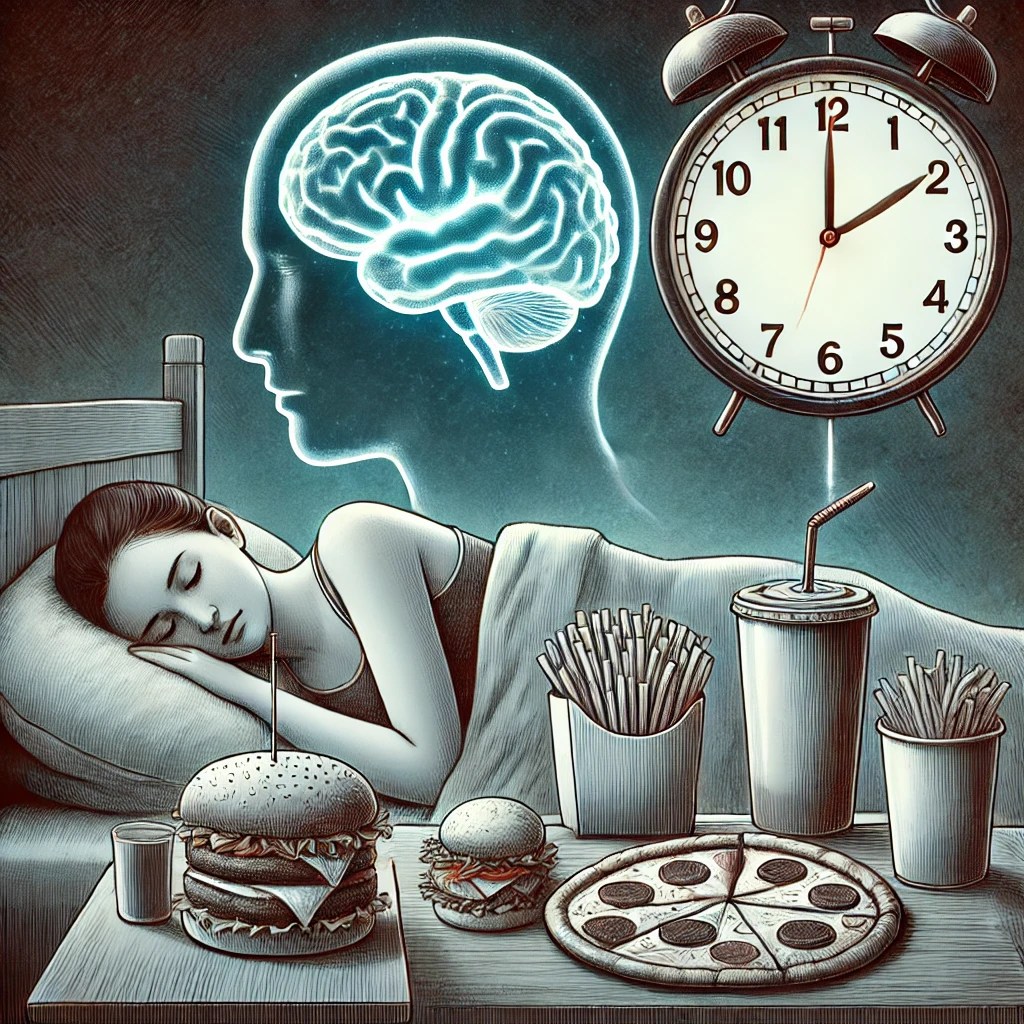
Have you ever eaten late at night and found yourself staring at the ceiling, struggling to fall asleep? You’re not alone. The timing of your meals, particularly in the hours leading up to bedtime, can have a major impact on how well you rest and how your body functions overnight. Let’s dive into why it’s a good idea to avoid eating too close to bedtime, and how you can improve both your sleep and your health by adjusting your eating habits.
The Sleep-Digestion Connection
Eating large meals or heavy snacks just before bed can significantly affect the quality of your sleep. Research has shown that consuming high-calorie meals shortly before hitting the sack can disturb your sleep cycle. This is particularly true when you eat foods high in sugar or refined carbohydrates. When your body has to work hard to digest food late at night, it takes away from its natural restorative functions, making it harder to enter deep, restful sleep.
Sleep isn’t just about resting your brain, your body is also busy repairing tissues, boosting immune function, and performing other essential tasks during the night. However, when digestion is in full swing, your body prioritizes breaking down food over these restorative processes. This disruption can make it more difficult to achieve deep sleep, which is crucial for your overall health and energy levels.
How Late-Night Eating Affects Fat Storage
One of the main reasons to avoid eating right before bed is to prevent unnecessary fat storage. Our bodies work differently during sleep, since we’re not physically active, any extra calories consumed tend to be stored as fat rather than used for energy. This is especially true when the foods you eat are rich in carbohydrates. Eating large amounts of pasta, bread, or other starches close to bedtime means your body won’t have the chance to burn those carbs off, and instead, it will likely store them as fat.
On the flip side, if you choose lighter, more balanced meals earlier in the evening, your body can maintain healthy metabolic processes throughout the night. This can help support your body’s fat-burning mechanisms, as well as improve your overall sleep quality.
The Myth of Late-Night Carbs
Some people believe that eating before bed is necessary for maintaining weight or muscle mass, but it’s not the food timing that’s important, it’s the type of food you choose. Sumo wrestlers are famous for eating large portions of high-carb meals late in the evening to help them bulk up. While this strategy might be useful for gaining weight quickly, it’s far from ideal for those aiming to maintain a healthy body composition.
Carb-heavy meals before bed can encourage weight gain because they provide an overload of energy that won’t be used during sleep. To support your body’s natural rhythm, it’s better to focus on nutrient-dense, lighter meals at dinner that fuel you without overloading your system.
What Happens When You Eat Late
When you eat too close to bedtime, your digestive system remains active as your body prepares for sleep. Digestion can take up to five hours, depending on the size and composition of the meal. If your evening meal is filled with sugary or processed foods, your system might become overstimulated, making it harder to achieve deep, restorative sleep. This can lead to discomfort, inflammation, and even impact the following day’s energy levels and cravings.
A Smarter Strategy for Evening Eating
If you want to optimize both your sleep and metabolism, it’s best to finish eating at least three hours before going to bed. The key is to focus on meals that provide sustained energy without overburdening your digestive system. Here are some strategies to help you make smarter choices in the evening:
- Prioritize Protein: Opt for lean proteins like chicken, fish, or plant-based sources like tofu. These foods will keep you feeling full without disrupting your digestion.
- Include Healthy Fats: Add foods like avocados, olive oil, or nuts to your meals. Healthy fats help nourish your body and keep you feeling satisfied longer.
- Load Up on Vegetables: Non-starchy vegetables like spinach, kale, broccoli, and cauliflower are full of nutrients and fiber, which promote healthy digestion and won’t spike your blood sugar.
By focusing on these foods, you allow your body to rest and recover more efficiently throughout the night, which can improve sleep quality and support overall health.
The Bottom Line
To improve both your sleep and metabolism, try to avoid eating within three hours of bedtime. The evening hours should focus on lighter meals rich in protein, healthy fats, and vegetables to support your body’s natural repair processes. When you make this small adjustment, you’ll notice a big difference in your ability to sleep well, maintain healthy weight, and wake up feeling refreshed. So, give your body the rest it deserves by making smarter food choices in the evening, and enjoy the benefits of better sleep and overall well-being.
 Vitality Blueprint